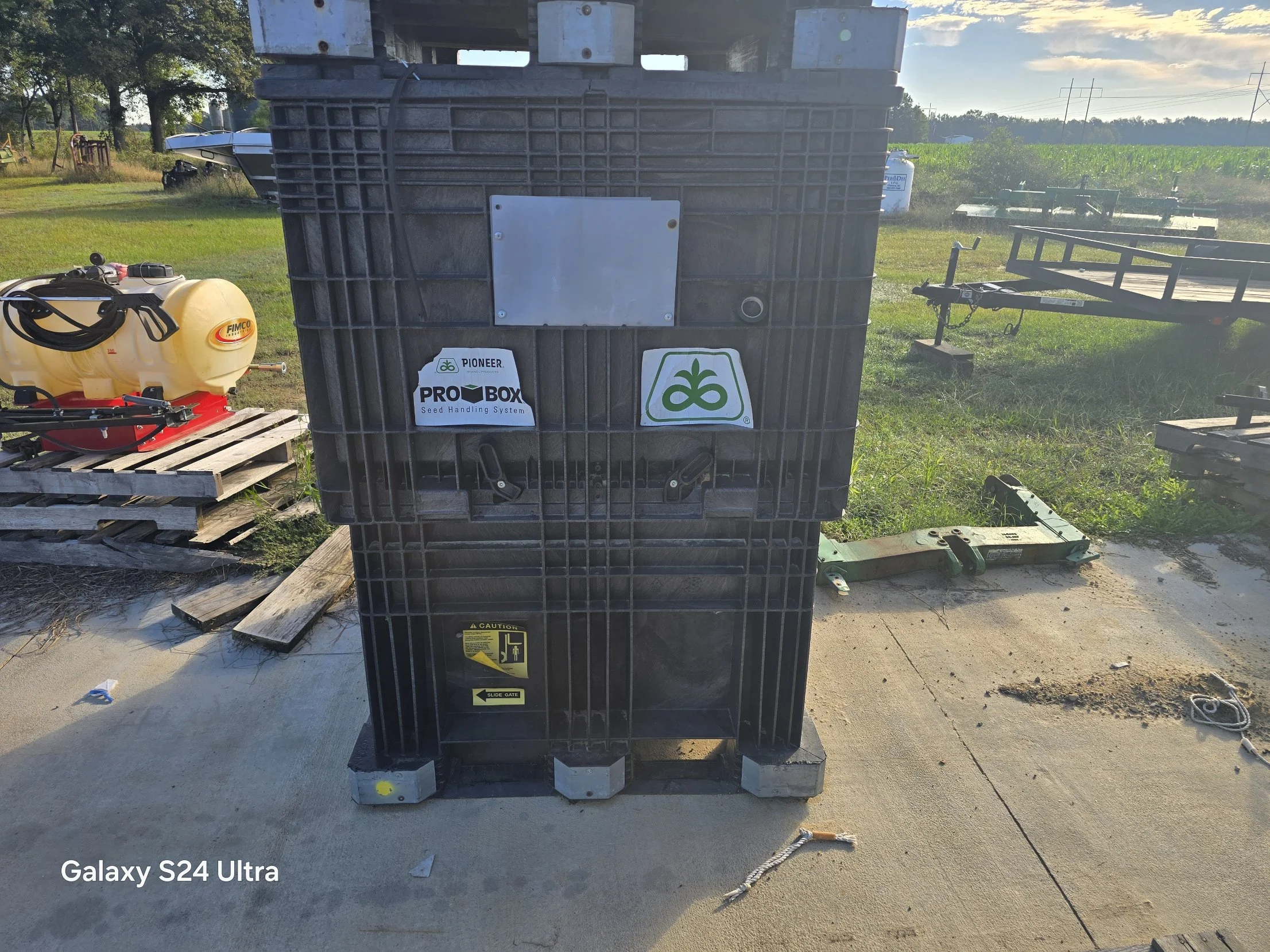
Corteva and the PFAS Bill
Corteva, DuPont and the PFAS Bill
Part 1 of 5: Who is Corteva
Most farmers know Corteva from the Pioneer seed bag or the chemical rep. Here's where it came from.
DuPont and Dow merged in 2017 and called themselves DowDuPont. In 2019 they split into three companies. Dow kept plastics and industrial chemicals. DuPont kept specialty products. Corteva got the farm business.
That farm business came from both sides. From DuPont: Pioneer seed, which DuPont bought in 1999. From Dow: Dow AgroSciences, the company behind Lorsban and the Enlist weed control system.
Corteva also owns the original DuPont company on paper, the legal entity that goes back over 200 years. That's the same DuPont that made PFAS chemicals like PFOA (C8) for Teflon for decades.
So when Corteva shows up at a farm meeting talking about stewardship, remember who they are.
Sources
Part 2 of 5: Who pays for PFAS
PFAS cleanup costs billions of dollars. Here's how the companies have shuffled who pays it.
2015: DuPont spun its PFAS chemical business off into a new company called Chemours. Chemours later sued DuPont, saying it was set up to take the blame.
2021: Chemours, DuPont and Corteva agreed to share up to $4 billion in PFAS costs.
2023: The three companies agreed to pay about $1.185 billion to settle claims from public water systems.
On October 1, 2026, Corteva split again. The seed side became a new company called Vylor, based in Iowa. The chemical side kept the Corteva name and is moving its headquarters to Indianapolis. The chemical side also kept the PFAS liabilities.
The next day, 15 states and Guam sued in Indiana. They say the split moved Corteva's most valuable business out of reach of PFAS claims. Corteva says the lawsuit is without merit.
Every few years there's a new company with a new name. The chemicals are still in our soil and our water.
Every time you buy Pioneer seed or Corteva chemicals today, you're doing business with the company that inherited DuPont's PFAS bill.
Sources
- DuPont, Chemours and Corteva $4 billion PFAS cost-sharing deal (CHEManager)
- $1.185 billion water systems settlement (DuPont)
- How the settlement was split between the three companies (ASDWA)
- New Corteva and Vylor headquarters (Corteva)
- States sue, saying the Corteva spinoff is a bid to dodge PFAS liabilities (Reuters, via Carrier Management)
- States sue Corteva and Vylor over PFAS liability transfer (Brownfield Ag News)
Part 3 of 5: Stewardship
New York's attorney general says DuPont knew PFAS were toxic as early as the 1980s. Lawsuits across the country say the same thing.
Today Corteva advertises land stewardship, sustainability and caring for the next generation of farmers.
Here is what stewardship looks like from my side of the fence. I pay for my own testing. I deal with customers asking if my food is safe. EPA put a filter on my home well in 2025 and told me this year they are ending the cost coverage. Families in this county have been drinking from wells nobody tested for years.
Stewardship programs and ad campaigns cost a lot less than cleanup. Ask yourself who the stewardship is really for.
Sources
Part 4 of 5: What happened here
In 1995 my father and uncles signed our farm up for the Galey & Lord sludge program. We were told it was free, safe fertilizer. They believed it, and so did a lot of other farmers.
Nearly 10,000 acres in Darlington County were spread with this sludge. Black Creek Elementary School was built on a field that got Galey & Lord sludge. About 710 children go to school there.
Here is what testing on my farm shows:
- Soil PFOS up to 55 ppb
- Several fields above 18 ppb in Yale University testing
- Hay from one of my fields tested 19.65 ng/g PFOS
- Well water on family land tested around 4,800 ppt
For comparison, Maine screens soil and waste being spread on land at 5.2 ppb PFOS. South Carolina has no standard at all.
Testing hasn't traced my sludge to one PFAS maker. What I know for a fact is that the PFAS industry made these chemicals and knew the risks. Farmers and families are the ones living with it.
Sources
- Galey & Lord sludge on 300+ fields, nearly 10,000 acres (The State, via PFAS Project)
- EPA Galey & Lord Superfund site well sampling (EPA)
- Black Creek Elementary land history (The State)
- Yale testing of O'Neal crops (SC Environmental Law Project)
- Maine PFOS soil screening level, 5.2 ppb (Maine DEP)
- Farm soil, hay and well numbers: O'Neal farm testing and Yale University results
Part 5 of 5: What we want
Here is what Clean Ground Common Ground is asking for:
- Mandatory PFAS testing of sludge before it goes on any field in South Carolina
- A soil standard for farmland, like Maine has
- Testing at every school, park and home built on spread fields
- Straight answers from SCDES
- Cleanup paid for by the companies that made and profited from PFAS, not by farmers and taxpayers
The Farm Bureau says sludge saves farmers about $180 an acre on fertilizer. That savings doesn't cover what it costs when your land and water are contaminated.
If your land got sludge, get it tested and share what you find. If you have questions, contact us. Clean ground is common ground.